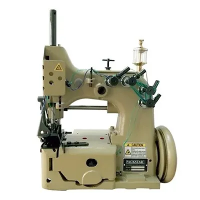
FIBC bags are becoming the most popular alternative for businesses all over the world. These big containers make it easier to store and move enormous amounts of anything safely, from chemicals and agriculture to drugs and construction. This article will show you what FIBC bags are and how do they work, applications of FIBC Bags and why working with an experienced manufacturer PACKSTAR, which has been in the business for over 30+ years, is the good choice for your business.
1. What Are FIBC Bags and How Do They Work?
- Definition of FIBC Bags
FIBC bags are large containers used for transporting bulk materials such as powders, grains, chemicals, and construction aggregates. Made from woven polypropylene, these bags are durable, flexible, and lightweight, which makes them ideal for handling large volumes of goods.
FIBC bags come in a variety of shapes, sizes, and designs, depending on the specific material being transported. They can be customized to include safety features such as anti-static properties or UV protection.
- How FIBC Bags Work
FIBC bags are filled by placing the material into the open top of the bag, which is typically sealed after filling. They can be loaded manually, with a conveyor, or using gravity. The bags are designed with lifting loops, making them easy to transport by forklift or crane.
Once filled, FIBC bags provide a cost-effective and space-efficient solution for storing and transporting bulk materials. They can be stacked and stored compactly when empty, making them ideal for industries that need to optimize storage space.
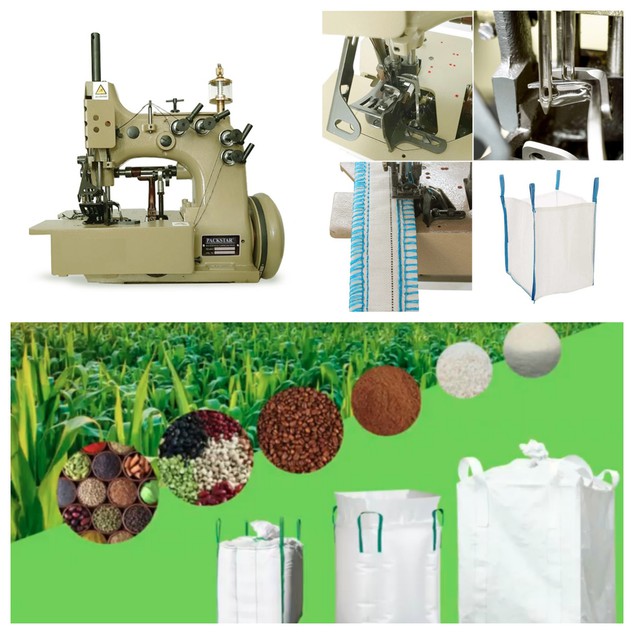
2.Applications of FIBC Bags
|
Industry |
Application |
|
Agriculture |
Storing grains, seeds, and fertilisers. |
|
Construction |
Transporting sand, cement, and gravel. |
|
Chemicals |
Safe handling of powders and pellets. |
|
Food Processing |
Packaging sugar, flour, and food additives. |
3. How to Choose the Right FIBC Bag for Your Needs
- Assessing Bulk Density
To choose the right FIBC bag, start by assessing the bulk density of your material. Bulk density refers to the weight of the material per unit volume and affects both the size and strength of the bag required.
①High bulk density materials (such as minerals or sand) require stronger, more durable bags.
②Low bulk density materials (such as agricultural products or dry powders) may require larger, more flexible bags.
- Material Type Considerations
Different materials require different FIBC bag types. For instance, flammable materials require Type D bags, while non-static-sensitive materials can be stored in Type A bags. Understanding the properties of your material is key to selecting the appropriate bag type.
- Environmental Conditions
Consider the environmental conditions your material will face during transportation. For outdoor storage, UV-resistant bags or moisture-resistant liners may be necessary to protect the material.
- Bag Size and Weight
Ensure the FIBC bag you choose is the right size and has the appropriate weight capacity. Overloading a bag can lead to failure, while using a bag that is too large can lead to inefficiency.

By choosing the right FIBC bag for your bulk transportation requirements, you can enhance your operational efficiency and protect your materials during transit. Our PACKSTAR can assist you in selecting the perfect packaging solution. Whether you're handling grains, chemicals, or construction materials, we offer a range of FIBC bags with varying features.
If you have any questions, you can contact us and we are here to help you to choosedsuitable machines and provide related FIBC bag solutions.
To contact us:
WhatsApp/WeChat: 0086 13991289750/0086 13891858261
Email: sales@chinapackstar.com