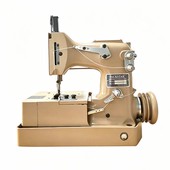
The relationship between a sewist and their sewing machine is a unique one. Nothing is more frustrating than sitting down at your machine to create a beautiful project only to find that your tension is not cooperating with you. The good news is that with some investigation and understanding, you can usually remedy the situation easily and quickly.
When you use the sewing machine, why cause the problem?
One reason that your sewing machine may be causing you problems is that the tension is too tight. Fortunately, there are a few things you can do to address this issue and get back to creating without any further problems. In this article, we'll explore some of the reasons why your sewing machine tension might be tight and discuss a few things you can do to address the situation.
One common cause of tight tension is that the thread you are using is too thick or too thin for the needle and thread combination that you have chosen. If you are using a needle that is too large for your thread, it will not allow the thread to move through the fabric smoothly, causing the tension to tighten. The opposite is true if you are using a needle that is too small for your thread.
Another reason that your sewing machine tension might be too tight is that there could be a buildup of dust or debris on the thread path – in the tension discs, bobbin case, needle, or throat plate. Dust and debris can snag the thread, causing it to pull too tight. Regular cleaning and maintenance is critical to keep your sewing machine running smoothly and producing nice, even stitches.
The type of fabric you are using can also contribute to tight tension when sewing. Some fabrics, such as stretchy materials, can be more challenging to sew, and the tension may need adjusting to accommodate the fabric's unique properties. Take time to ensure you are using the appropriate stitch and needle for the fabric you are sewing.
If you're using the same thread and needle and haven't experienced tension issues before, it's possible that your machine's timing may be off. Timing refers to how the mechanics of the machine work together – the needle enters the fabric, and the bobbin hook picks up the thread at precisely the right moment. If the machine's timing is off, it can cause the tension to tighten, resulting in uneven or skipped stitching. Adjusting the timing may require the help of a trained technician and can be an added expense if not covered under warranty.
As we've identified, many factors can contribute to tight tension when sewing. The first step is to diagnose the problem, then identify the cause so that you can address it appropriately. Some sewing machines have automatic tension adjustment, which can help you get the right tension for each project. With a little patience and persistence, you can keep your sewing machine running smoothly and producing beautiful projects.
To avoid tension issues in the future, take time to clean and maintain your sewing machine regularly, invest in quality threads and needles, and choose the right stitch, needle, and fabric combination for each project. Remember, sewing should be enjoyable and rewarding, and with a bit of practice and attention to detail, you can be sure that your projects will always turn out beautifully.