Definition and Basic Description
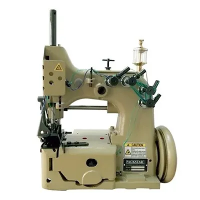
An automatic bag closing machine is a specialized device used in various industries to seal and secure bags containing different types of goods.
These machines automate the process of closing bags, ensuring that the contents are protected and securely packaged.
Common Industries Using These Machines
- Food and Beverage Industry: Ensures freshness and prevents contamination.
- Pharmaceutical Industry: Maintains product integrity and compliance with health standards.
- Agricultural Sector: Protects seeds, grains, and other agricultural products.
- Chemical and Industrial Products: Safeguards chemicals and other hazardous materials.
Importance in the Production Process
Automatic bag closing machines are crucial for maintaining high production efficiency.
They reduce the need for manual labor, minimize errors, and ensure consistent packaging quality.
Key Functions of Automatic Bag Closing Machines
- Sealing and Stitching Bags
These machines use various methods like heat sealing, stitching, or taping to close bags securely.
- Ensuring Product Integrity and Security
Properly sealed bags protect the contents from contamination, moisture, and tampering.
- Reducing Manual Labor and Increasing Efficiency
Automation reduces the need for manual intervention, speeding up the packaging process and freeing up labor for other tasks.
- Enhancing Speed and Consistency in Packaging
Automated systems ensure that every bag is sealed uniformly, maintaining consistent quality across the production line.
What are the functions of GK35-6A Single Needle Automatic Bag Closing Machine?
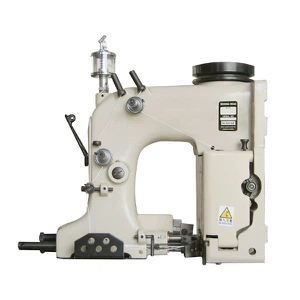
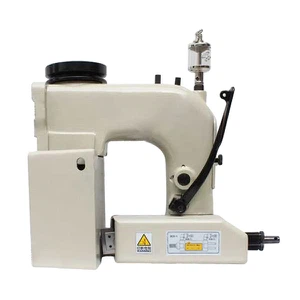
The GK35-6A Single Needle Automatic Bag Closing Machine has several functions:
- Start-stop - The machine start and stop operations are automatically controlled by a photoswitch.
- Automatic Thread Chain Cutter - Utilizes an air cylinder-operated guillotine type cutter for thread cutting.
- Stitch Length - Adjustable stitch length ranging from 6.5mm to 11mm, with the standard being 8mm.
- Speed - The machine operates at speeds of up to 2000 RPM, depending on the sewing material and operation.
- Counter - It features a function to automatically count the quantity of bags.
- The machine is designed for efficient bag closing with a high-speed sewing mechanism.
Types of Automatic Bag Closing Machines
- Heat Sealers
Utilize heat to melt and fuse the bag material, creating a strong, airtight seal.
- Stitching Machines
Employ stitching mechanisms to sew the bag shut, often used for heavier materials.
- Vacuum Sealers
Remove air from the bag before sealing, ideal for preserving food products.
- Bag Tapers
Apply adhesive tape to close bags, commonly used in various packaging settings.
How Do Automatic Bag Closing Machines Work?
Overview of the Operational Process
Automatic bag closing machines typically involve loading the bag, positioning it correctly, and then applying the chosen sealing method.
Components and Mechanisms Involved
- Feed System: Moves the bag into the correct position.
- Sealing Mechanism: Applies heat, stitches, or tape.
- Control System: Ensures precision and consistency.
Step-by-Step Process from Bag Loading to Sealing
- Bag Loading: Bags are placed onto the machine, either manually or via an automated feed system.
- Positioning: Bags are aligned correctly to ensure a proper seal.
- Sealing: The machine applies the sealing method (heat, stitching, or taping).
- Quality Check: Sealed bags are inspected for consistency and integrity.
Advantages of Using Automatic Bag Closing Machines
- Improved Productivity
- Automating the bag closing process significantly boosts production rates.
- Enhanced Product Protection
Sealed bags protect contents from external factors like moisture, air, and contaminants.
- Cost Savings in the Long Run
Reduced labor costs and increased efficiency lead to substantial savings over time.
- Consistency in Packaging Quality
Automated systems ensure that every bag is sealed to the same high standard.
Applications of Automatic Bag Closing Machines
- Food and Beverage Industry
Ensures products remain fresh and uncontaminated.
- Pharmaceutical Industry
Maintains the integrity and safety of medical products.
- Agricultural Sector
Protects agricultural products from spoilage and pests.
- Chemical and Industrial Products
Secures hazardous materials, preventing leaks and contamination.
Factors to Consider When Choosing an Automatic Bag Closing Machine
- Type of Material Being Sealed
Different machines are suited for various materials, such as plastic, paper, or woven bags.
- Production Volume and Speed Requirements
Consider your production needs to choose a machine that meets your speed and volume demands.
- Budget Constraints
Weigh the initial investment against the long-term savings and productivity gains.
- Maintenance and Ease of Use
Opt for machines that are easy to maintain and operate, minimizing downtime.
Innovations and Trends in Automatic Bag Closing Machines
- Technological Advancements
Modern machines feature advanced technologies for improved efficiency and functionality.
- Integration with Automation and IoT
Smart machines can be integrated into automated production lines and monitored remotely.
- Sustainable and Eco-Friendly Sealing Solutions
Newer models focus on reducing environmental impact through efficient energy use and eco-friendly materials.
- Challenges and Solutions in Using Automatic Bag Closing Machines
- Common Issues Faced (e.g., Jams, Maintenance Needs)
Frequent issues include bag jams and maintenance requirements.
- Tips for Troubleshooting and Maintenance
Regular maintenance and proper training can mitigate most common issues.
- Training and Skill Requirements for Operators
Ensure operators are well-trained to handle and maintain the machines effectively.
Case Studies and Real-World Applications
Examples from Various Industries
- Food Industry: A bakery increased its production rate by 30% after implementing automatic bag closing machines.
- Pharmaceuticals: A pharmaceutical company maintained compliance and improved safety with automated sealing.
- Agriculture: A grain supplier reduced spoilage by using vacuum sealers for storage.
- Success Stories and Efficiency Improvements
Companies across various industries report significant efficiency gains and cost savings.
- ROI and Cost-Benefit Analysis
Investing in automatic bag closing machines typically results in a positive return on investment through increased productivity and reduced labor costs.
Future of Automatic Bag Closing Machines
- Emerging Technologies
Expect advancements in machine learning and AI to further enhance the capabilities of these machines.
- Potential for Automation and AI Integration
Future machines may feature advanced automation and AI for even greater efficiency and precision.
- Predictions for Industry Growth and Adoption
The adoption of automatic bag closing machines is expected to grow as industries seek to improve efficiency and reduce labor costs.
Buy GK35-6A Single Needle Automatic Bag Closing Machine in wholesale price, please contact us at :
WhatsApp/WeChat: 008613991289750 /0086 13891858261
Email: sales@chinapackstar.com.
FAQs
1.What Materials Can Be Used with Automatic Bag Closing Machines?
These machines can handle various materials, including plastic, paper, and woven fabrics.
2.How Do You Maintain an Automatic Bag Closing Machine?
Regular cleaning, lubrication, and inspection are essential for maintaining these machines.
3.Can These Machines Handle Different Bag Sizes?
Yes, many machines can be adjusted to accommodate different bag sizes.
4.What Are the Safety Features of Automatic Bag Closing Machines?
Safety features include emergency stop buttons, protective barriers, and sensors to prevent accidents.
5.How Do Automatic Bag Closing Machines Improve Product Quality?
They ensure a consistent and secure seal, protecting the contents from contamination and damage.
References:
1.Smith, J. (2022). "Advances in Packaging Technology". Journal of Packaging Science.
2.Johnson, L. (2023). "Automation in the Food Industry". Food Engineering Review.
3.Brown, M. (2023). "Trends in Pharmaceutical Packaging". Pharmaceutical Technology Today.