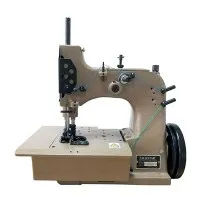
As a professional processing equipment, the main function of sewing machines is to connect or consolidate the cut pieces in a specific sewing method, and use one or more sewing threads to accurately form stitches on the sewing materials, so as to achieve the interweaving and sewing of one or more layers of sewing materials. With the development of intelligent manufacturing and Industry 4.0, sewing machines will pay more attention to intelligence and automation, and advanced technologies such as the Internet of Things and big data will further promote the intelligent upgrading of sewing machines.

1. Analysis of sewing machine demand
●Steady household demand
With the improvement of the quality of life, the demand for personalized clothing and household items is growing. As a powerful assistant for DIY production, household sewing machines are deeply favored by groups such as handicraft enthusiasts and housewives, and their market demand remains stable. In particular, those household sewing machines that integrate multiple functions and decorative stitches meet the urgent needs of users to make a variety of styles and styles of clothing and accessories, and the market prospects are extremely broad.
●Strong industrial demand
As the main application field of industrial sewing machines, the clothing manufacturing industry has always maintained a high share of the downstream market. With the continuous changes in the global clothing consumption market, the requirements for clothing styles, quality and production efficiency have become increasingly stringent, which has prompted clothing companies to update and upgrade production equipment, thereby promoting the continued growth of demand for industrial sewing machines.
2. Development trend of sewing machine industry
♦The level of intelligent automation has been significantly improved
The rapid development of science and technology is leading the sewing machine industry to stride forward in the direction of intelligence and automation. Computer sewing machines have advanced functions such as automatic threading, automatic thread cutting, and automatic adjustment of thread tension, which greatly improves production efficiency and sewing quality. At the same time, the addition of intelligent control systems enables sewing machines to automatically adjust parameters according to different fabrics and sewing processes, reducing the technical threshold for operators.
♦Product function diversification and personalization coexist
Consumers' functional requirements for sewing machines are becoming increasingly diversified. In addition to basic sewing functions, they also expect them to have a variety of additional functions such as embroidery, buttoning, buttonholes, quilting, etc. to meet diverse production needs. In addition, personalized design and customized services have also become a new trend. Sewing machine manufacturers have focused on the appearance design and user experience of their products, and launched a variety of colors and styles to meet the aesthetic preferences of different consumers.
♦Energy conservation, environmental protection and sustainable development
Against the backdrop of increasingly tightened environmental protection policies, the sewing machine industry is actively exploring the application of energy-saving and environmentally friendly technologies and materials. By adopting energy-saving motors, optimizing mechanical structures and other means to reduce energy consumption, and using environmentally friendly lubricants and materials to reduce environmental pollution, the sewing machine industry is moving towards a green and sustainable direction.
♦Industrial transfer and intensified market competition
With the deepening development of global economic integration, the sewing machine industry has gradually shifted from developed countries to developing countries. With its strong manufacturing strength, China has shown significant advantages in the field of sewing machine production and has become one of the world's largest sewing machine producers and exporters. However, in the face of fierce competition from domestic and foreign peers, domestic sewing machine companies need to continuously improve their technical level, product quality and brand influence in order to stand out in the fierce market competition.
♦Online sales and services are becoming increasingly important
The popularity of the Internet has made online sales channels an important position for sewing machine sales. Consumers prefer to purchase sewing machines through online platforms and enjoy a convenient and preferential shopping experience. Therefore, sewing machine manufacturers need to strengthen the construction and promotion of online sales channels and provide comprehensive online services, such as product display, online consultation, and after-sales service, to meet the diversified needs of consumers.
To contact us:
WhatsApp/WeChat: 0086 13991289750/0086 13891858261
Email: sales@chinapackstar.com