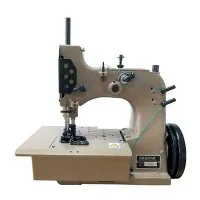
The ideal timing of the coordination between the upper bent needle and the lower loopers on a overlock sewing machine is critical to achieve high quality and efficient sewing results. A proper coordination between these components ensures uniformity of the fabric edge, clean finishing, and minimal thread breakage.
To achieve the best coordination, it's important to have a clear understanding of how the machine works and the specific roles of each component. The upper bent needle, which is mounted on the needle bar, is responsible for penetrating the fabric and creating small holes where the loopers pass through to form the stitches. The lower loopers, on the other hand, form the loops and knot the threads to create a tight and secure seam.
The timing of the upper bent needle and the lower loopers occurs in three stages: the needle penetration, the lower looper passing through the needle hole, and the lower looper knotting the thread. The speed and timing of each component during these stages must be precisely coordinated to avoid overlapping or skipping stitches.
Achieving optimal coordination between the upper bent needle and the lower loopers involves several critical steps. First, the needle height should be adjusted properly so that it can easily penetrate the fabric without causing damage or breaking the thread. Second, the lower looper must be positioned correctly so that it can pass through the needle hole without interfering with the needle. Finally, the timing and speed of each component should be precisely adjusted depending on the fabric type, thickness, and sewing requirements.
When everything is properly synchronized, the upper bent needle will create a clean hole that is immediately filled by the lower looper, which creates a loop around the fabric edge and locks the threads with a knot. This creates a tight and secure seam that lays flat against the fabric, minimizes fraying, and enhances the appearance and durability of the sewn item.
Therefore, achieving the ideal timing of the coordination between the upper bent needle and the lower loopers on a overlock sewing machine is critical for attaining high-quality, efficient and fast sewing results. By understanding the specific roles of each component and taking the necessary steps to correctly synchronize their movement, seamstresses can ensure that each stitch is uniform, durable, and visually appealing. With the right tools and techniques, anyone can master the art of overlock sewing and create beautiful, professional-quality garments.