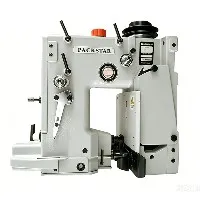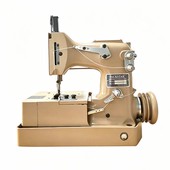
The following is the maintenance technology of carpet sewing machine:

The upper looper thread skips needles:
1. The positioning of the needle and the upper looper is not accurate: readjust the position of the needle and the looper
2. The gap between the needle and the upper looper is too large: readjust the position of the looper
3. The relationship between the needle and the hook is wrong: the relationship between the high-speed needle and the hook
4. The threading error: thread the thread correctly again
5. The needle is installed incorrectly: reinstall the needle correctly
6. The thread control pressure is too strong or too weak: the strength of the high-speed thread control
7. The tip of the hook is damaged and the hair is raised: remove the hair or replace it with a new one
8. The needle is bent: replace it with a new one
9. The thimble is installed incorrectly: reinstall the thimble correctly
The lower looper thread skips needles:
1. The needle is bent or the needle tip is hairy: replace the needle
2. The needle direction is incorrect: adjust the needle eye direction , so that the long groove of the machine needle is aligned with the operator
3. The needle of the lower looper is not sharp: grind the needle of the lower looper or replace it
4. The thread guard is not installed correctly: adjust the position of the thread guard so that the thread guard is close to the needle
5. The height of the needle is not positioned correctly: reposition it according to the standard
6. The gap between the lower looper and the needle is too large: readjust the gap according to the standard
7. Improper selection of needle and thread, the needle is too thick and the thread is too thin: select the needle and thread correctly
8. The return amount and height of the lower looper are incorrect: adjust the left limit size of the needle and the lower looper tip and the height of the lower looper to meet the standard
Interlaced jump needles:
1. The gap between the upper looper and the lower looper is too large: enlarge the angle of the installation position of the upper looper or the lower looper
2. The tip of the upper looper has been blunted: Replace the upper looper
3. The protruding part on the back of the lower looper is severely worn: replace the lower looper
Chain thread skipping:
1. The positioning of the chain thread hook is not accurate: adjust the position of the chain thread hook
2. The position of the chain thread take-up rod is not adjusted properly, so that the thread of the chain thread hook cannot be retracted and the thread identification cannot be produced: adjust the position of the chain thread take-up rod to achieve the braided stitch when the sewing material of the carpet overlock machine is interrupted
3. The pressure of the chain thread hook clamp plate is too loose: slightly tighten the chain thread hook clamp nut
4. The return amount or height of the chain thread hook is incorrect: readjust according to the standard
Broken needle:
1. The positioning of the lower looper is not accurate, and the needle is hooked off: readjust the position of the lower looper
2. The needle tip is not parallel to the center of the needle bar: correct the needle bar head or replace the needle clamp to make the needle The center of the bar is parallel to the center of the needle bar
3. The position of the needle guard is incorrect: readjust the position of the needle guard
4. The presser foot groove is not aligned with the machine needle: adjust the position of the presser foot groove and align it with the machine needle
5. The needle is installed incorrectly: reinstall the needle with the long hook facing the operator
6. The needle size is not suitable: choose the thread and needle suitable for the fabric
7. The needle has become bent: re-change the needle
8. The relationship between the needle and the thimble is wrong: adjust the relationship between the thimble and the needle
9. The relationship between the needle and the hook is wrong: adjust the relationship between the hook and the needle
10. The needle does not enter the needle plate groove or the center of the presser foot groove: reinstall the needle or needle plate, or high-speed presser foot
Broken bent needle:
1. The upper bent needle has a large expenditure and the height is too low to cause the needle to break: replace the new bent needle and readjust it according to the standard. Since the quality density of some bent needle accessories is not enough, the tail of the crochet needle can be burned red with a strong fire and annealed, and then forced to bend and align.
2. The upper and lower looper and chain hook fixing screws are loose: replace the new looper and install it according to the standard
3. The lower looper is not in the right position: replace the new needle and adjust it according to the standard
Broken needle thread:
1. The pressure of the needle thread clamp is too tight: loosen the needle thread clamp nut
2. The needle tip is hairy: replace the needle
3. The lower looper tip is hairy: grind the lower looper tip or replace the lower looper
4. The feed teeth have a sharp edge: grind or polish the feed teeth
5. The edge of the small needle plate has burrs: polish or polish the edge of the small needle plate
6. The thread quality is poor: use a thread of good quality
7. The thread thickness is uneven or does not match the needle The needle should be thicker: change to a suitable needle and thread
8. Threading error: thread correctly again
9. Thread control pressure is too strong: adjust thread control strength
10. Needle installation error: re-install the needle correctly
11. Thread rack thread error: re-install the thread rack so that the thread can pass freely
12. Needle temperature is too high: (1) There is no cooling oil for needle cooling (2) The needle guide plate is installed incorrectly (3) Add oil for cooling (4) Adjust the needle guide plate
13. The thread control plate is rough: use sandpaper to smooth it and then polish it
14. The relationship between the needle and the hook is incorrect: adjust the relationship between the needle and the hook
Broken upper looper thread:
1. The thread is threaded incorrectly or the upper looper thread clamp Too much pressure: thread correctly or loosen the upper looper thread clamp nut
2. Upper looper eye hair: apply polishing paste to the thread, insert it into the upper looper eye and smooth it
Broken lower looper thread:
1. Wrong thread thread or too much pressure on the lower looper thread clamp: thread correctly or loosen the lower looper thread clamp nut
2. The lower looper hits the small needle plate, causing the thread to break: grind the small needle plate and adjust the lower looper height appropriately as required
3. Lower looper eye hair: apply polishing paste to the string thread, insert it into the lower looper eye and smooth the hole
Broken chain thread hook needle thread:
1. Wrong thread thread or the thread guide is not smooth: thread as required Remove the burrs from the thread guide to make it smooth
2. The feed dog has a sharp edge: Grind or polish the sharp edge
3. The needle tip has scratches: Replace with a new needle
4. The thread pick-up cam has scratches: Grind and polish the thread pick-up cam
5. The thread pick-up cam is not in the right position: Adjust the position of the thread pick-up cam
Broken chain thread needle thread:
1. The needle and chain thread hook are not positioned accurately: Re-adjust their positions
2. The pressure of the chain thread needle thread clamp plate is too tight: Loosen the chain thread needle thread clamp nut
3. The distance between the chain thread hook needle tip and the needle is too large: Loosen the chain thread hook positioning screw, turn the chain thread hook to make it close to the needle, and tighten the positioning screw
4 , needle bend or needle tip hair, replace the needle
5. The direction of the needle groove is wrong: adjust the direction of the needle groove so that the long groove of the needle is aligned with the operator
6. The chain hook needle is blunt: grind the chain hook needle or replace the curved needle
7. The chain needle guard is not installed correctly: adjust the position of the chain needle guard so that it is close to the needle
The needle thread is loose during overlocking:
1. The pressure of the needle thread clamp plate is too loose: tighten the needle thread clamp nut
2. The amount of needle thread output is too much: adjust the needle thread take-up lever
3. The pressure of the lower curved needle thread clamp plate is too tight, causing the needle thread to be pulled down: loosen the lower curved needle thread clamp nut or adjust the lower curved needle thread take-up lever
The needle and thread of the carpet overlock sewing machine are tight:
1. The thread output of the upper needle is not enough: move the upper thread of the needle bar out a little to make each needle deliver enough thread
2. The pressure of the needle thread clamp is too tight: loosen the nut of the needle thread clamp
3. The thread output of the lower looper is too much or the pressure of the lower looper thread clamp is too loose: reduce the thread output of the lower looper or tighten the lower looper thread clamp nut
The upper looper thread is tight or loose:
1. The position of the upper looper axis is not adjusted properly, too high or too low: readjust the position of the upper looper axis
2. The upper looper thread clamp is too tight or too loose: loosen or tighten the upper looper thread clamp nut
The lower looper thread is tight or loose:
1. The position of the lower looper swing lever is not adjusted properly, too high or too low: readjust the position of the lower looper axis
2. The lower looper thread clamp is too tight or too loose: loosen or tighten the clamp to a slight pressure, and never too much pressure
The chain hook thread is tight:
1. The chain adjustment plate is installed too close, so that the chain hook thread is not enough, causing the machine needle thread to be pulled down: increase the chain hook thread
2. The upper and lower positions of the chain threading plate are not adjusted properly, causing the chain hook thread to come out early or late: adjust the thread time according to the standard
Sewing slippery sewing material wrinkles:
1. The feed reverse ratio is too small: set the differential Move the wrench downward until the sewing material is flat
2. The bottom surface of the presser foot is not level with the plane of the feed dog: adjust according to technical requirements
3. The thread control pressure is too strong: readjust the thread control strength
4. The clamp pressure is too strong or too weak: adjust the clamp pressure strength
5. The feed dog is too protruding from the needle plate: adjust the correct height of the feed dog
6. The knife cannot cut quickly
7. Sharpen the blade or replace it with a new one, and check the coordination of the upper and lower knives
8. The differential feed is not coordinated: adjust the appropriate differential feed
9. The needle is too thick: select the thread and needle suitable for the cloth
10. The hemming width is narrower than the needle plate tongue: adjust the hemming width or replace the needle plate tongue
To contact us:
WhatsApp/WeChat: 0086 13991289750/0086 13891858261
Email: sales@chinapackstar.com