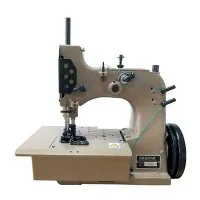
In the demanding world of industrial manufacturing, the quality and durability of a product are often determined by its final seam. A high-performance closer machine is essential for creating secure, professional closures-whether on heavy-duty bags, luxury upholstery, industrial sacks, or mattress casings. The precision of your equipment directly affects production efficiency and material waste. This guide explores the technical nuances, types, and key considerations for integrating a professional closing system into your workflow.
1.How a Professional Closer Machine Enhances Production?
The primary function of a closer machine is to deliver a robust, consistent stitch capable of withstanding internal pressure and external stress. Unlike standard sewing machines, these specialized units are designed to handle thick material stacks and maintain stitch uniformity at high speeds. By automating the closing process, manufacturers can significantly reduce labor costs and minimize human error-two major contributors to product failure and costly recalls.


2.Types of Closer Machine Technology and Their Uses
Not all closing applications are the same. Depending on fabric weight and required seam strength, different mechanical approaches are needed.
Chain-stitch closers offer elasticity and strength, making them ideal for bags that will be filled to capacity.
Lock-stitch closers provide a more permanent, non-raveling seam, suited for luxury goods and high-end upholstery.
Understanding these differences ensures that your investment in a closer machine aligns precisely with your material specifications.
3.Comparing Closer Machine Models: Manual vs. Automatic
When choosing between a manual or automatic closer machine, the decision typically hinges on production volume and budget. Manual machines offer greater flexibility for bespoke or low-volume items, while automatic systems are the backbone of mass production.
The following table provides a detailed comparison to help guide your decision based on operational needs.
| Feature | Manual Closer Machine | Automatic Closer Machine |
|---|---|---|
| Best for | Custom, small-batch, or variable products | High-volume, continuous production |
| Operator skill required | Higher | Lower |
| Production speed | Moderate | High |
| Initial investment | Lower | Higher |
| Long-term labor cost | Higher | Lower |
| Flexibility | High | Limited to preset parameters |
To ensure the longevity of your closer machine, a strict maintenance schedule is non-negotiable. Because these machines often operate in dusty environments (such as bagging plants), lint and debris can accumulate in the bobbin area and feed dogs, leading to skipped stitches or thread breakage. Regular lubrication of moving parts and the timely replacement of needles are the simplest yet most effective ways to prevent unplanned downtime and maintain the integrity of your seals.
Maintenance Checklist:
• Daily: Remove lint from the feed mechanism
• Weekly: Check oil levels and lubricate joints
• Monthly: Inspect belt tension and motor alignment
• Quarterly: Professional calibration of stitch length
Conclusion
Investing in a high-quality closer machine is more than a hardware purchase-it is a strategic move toward operational excellence. By selecting a machine that balances speed, precision, and durability, you ensure that the final product reflects the quality of your entire manufacturing process. Whether upgrading an existing production line or equipping a new facility, prioritizing technical specifications and ease of maintenance will drive long-term profitability. Rely on professional engineering to seal your success.
To contact us:
WhatsApp/WeChat:008613991289750/008618192599526
Email: sales@chinapackstar.com