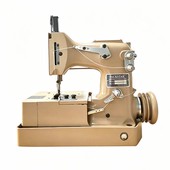
On high-volume packaging lines, hand-held sealers often create operational bottlenecks. A more effective solution is a reliable, continuous-duty sealing system. A heavy-duty bag sealing machine is an industrial-grade heat sealer engineered for high-speed, uninterrupted operation. It automates the sealing process for plastic bags, pouches, and sacks, producing airtight and tamper-proof seals suitable for food, chemicals, construction materials, and other applications.
This guide provides an overview of how industrial heat sealing machines work, the materials they can process, and key considerations for selecting the appropriate heavy-duty bag sealing machine for your production environment.
1.Key Features of an Industrial Heat Sealer Machine
Industrial heat sealers are designed for endurance, precision, and adaptability. The following core features distinguish them from basic manual sealers.
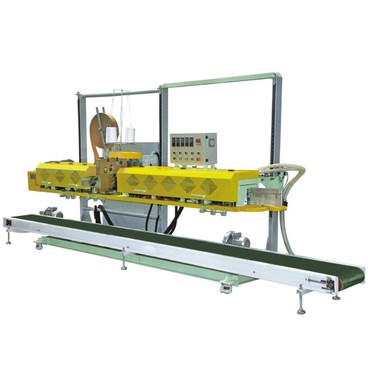
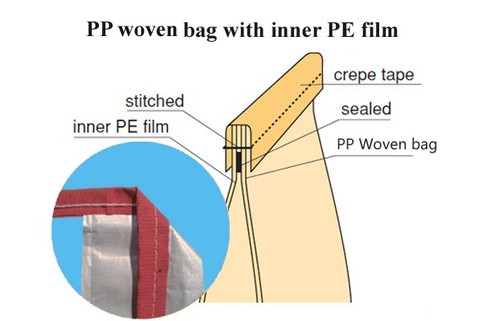
2.How Does an Automatic Heat Sealer Machine Work?
An automatic heat sealer machine for plastic bags operates on a simple but precise four-step process: dust removal, heating, pressure sealing, and cooling. Each step is fine-tuned to ensure a secure, long-lasting bond.
Dust Removal (Optional)
For applications requiring pristine seals-particularly in food, pharmaceutical, or chemical packaging-many heavy duty machines are equipped with a dust removal system. This feature blows away fine particles from the bag's sealing area before the heat is applied, preventing contaminants from compromising seal integrity.
Heating the Sealing Area
A heat sealing machine bonds thermoplastic materials together by applying a constant, precisely controlled heat source to the bag's sealing area. The machine's heating bars bring the material to its melting point. Temperature controls typically range from 0°C to 300°C, allowing operators to dial in the exact heat required for different film thicknesses and compositions.
Pressure Sealing
Once the material is sufficiently heated, the machine applies pressure through a set of sealing rollers or bars. This pressure ensures that the two inner layers of the bag are pressed together while molten, creating a molecular bond. Inadequate pressure leads to weak seals that peel open easily.
Cooling and Solidifying
This stage is vital. After heat and pressure are applied, the sealed area needs to cool while still under pressure to lock the bond in place. Higher-end machines incorporate forced-air cooling systems, such as dedicated cooling bars with fans, to accelerate this process. Cooling solidifies the polymer, ensuring the seal is strong enough to withstand handling, stacking, and transport.
3.What Types of Bags Can This Machine Handle?
One of the greatest strengths of a heavy duty bag sealer is material versatility. Below is a breakdown of bag types commonly processed by industrial machines.
| Bag Type | Typical Applications | Suitability |
|---|---|---|
| Thick PE and PP bags | Heavy grains, fertilizers, pet food | Excellent |
| Laminated composite bags | Coffee packaging, powdered goods, snacks | Excellent |
| Aluminum foil bags | Moisture-sensitive electronics, chemicals, pharmaceuticals | Excellent |
| Kraft paper bags | Cement, animal feed, bulk groceries | Good (with PE liner) |
| Electrostatic bags | Electronic components, PCBs | Good |
4.How to Choose the Right Heat Sealer Machine
Selecting the right heavy-duty bag sealing machine for your operation boils down to three key variables. Get it wrong, and you'll face weak seals, wasted material, and expensive downtime.
①Bag Thickness
②Material Type
③Production Capacity
The right heavy-duty bag sealer turns a packaging bottleneck into a competitive edge. Understand how automatic heat sealers work-then choose based on bag thickness, material, and speed. Contact us today or visit our website
To contact us:
WhatsApp/WeChat:008613991289750/008618192599526
Email: sales@chinapackstar.com